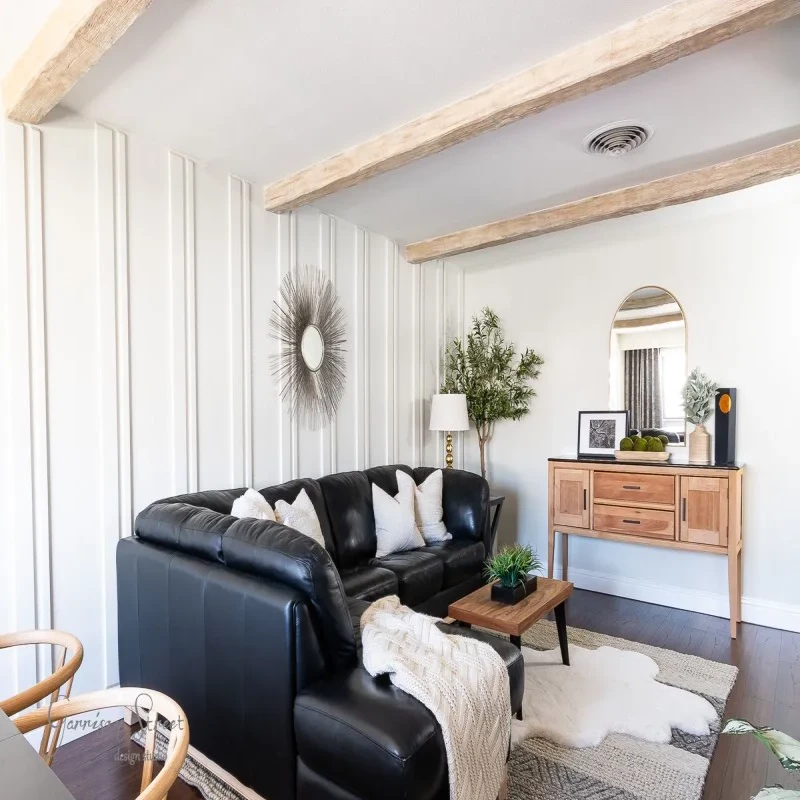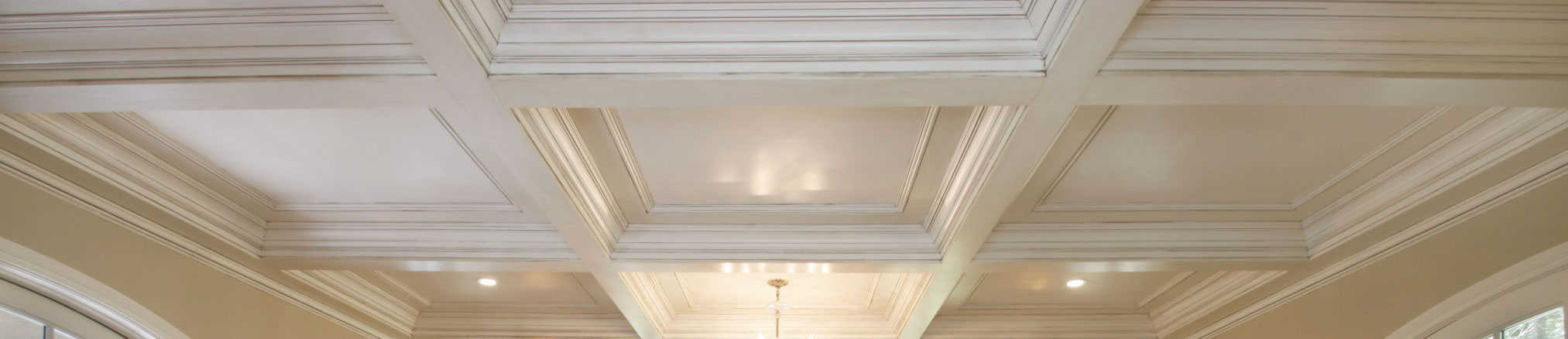



Why Ceiling Trusses Are the Secret to Stunning Great Rooms?
-original.png "Ceiling Trusses")
Walk into a great room with soaring ceilings and exposed trusses and you immediately feel something most living rooms never deliver: scale. That sense of grandeur isn't an accident. It's the result of one specific architectural choice that homeowners and builders are increasingly making on purpose: ceiling truss design.
Great rooms are meant to be the showpiece of a home, but a tall, open ceiling without any structure above it can actually feel hollow rather than impressive. This is where vaulted ceiling trusses and cathedral ceiling trusses come in. They turn empty vertical space into the most photographed feature of the entire house.
In this blog, we'll break down why ceiling trusses have become essential to great room design, how they differ from standard residential roof trusses, and how to choose the right truss style for your space.
What Makes a Great Room Different From a Living Room?
A great room typically combines a living space, kitchen, and dining area into one large, open volume, often with a vaulted or cathedral ceiling that rises well above standard 8 or 9 foot heights. This open layout creates an enormous amount of visual real estate above eye level, far more than a typical living room.
That extra height is exactly what makes great rooms so appealing, and exactly what makes them risky to design poorly. Without something to anchor that vertical space, a tall ceiling can feel cavernous and disconnected from the room below it.
According to the National Association of Home Builders, great rooms remain one of the most requested layouts in new custom home construction, specifically because of the dramatic ceiling treatments they allow.
Why Vaulted Ceiling Trusses Work So Well in Great Rooms?
Vaulted ceiling trusses follow the slope of the roofline, which means they naturally complement the angled ceiling found in most great rooms. Instead of fighting the architecture, they enhance it.
Here's why this combination works so consistently well:
- They add structural rhythm to large, sloped ceiling surfaces that would otherwise feel like one uninterrupted plane
- They draw the eye upward and outward, making the room feel taller and more intentional rather than simply tall by default
- They create natural focal points, especially when paired with a fireplace, large windows, or a kitchen island below
- They work with both open and symmetrical layouts, scaling easily across wide great room spans
- They reduce the "empty box" effect that vaulted ceilings can have without any visual breaks
This is exactly why vaulted ceiling trusses have become a go to feature for builders trying to make great rooms feel custom rather than simply oversized.
Cathedral Ceiling Trusses vs. Vaulted Ceiling Trusses
These two terms get used interchangeably, but there's an important distinction worth understanding before choosing a ceiling truss design for your space.
|
Feature |
Cathedral Ceiling Trusses |
Vaulted Ceiling Trusses |
|
Roofline |
Symmetrical, equal pitch on both sides |
Can follow a single slope or asymmetrical pitch |
|
Visual Effect |
Formal, peaked, church like symmetry |
Open, dynamic, often more contemporary |
|
Best Suited For |
Traditional and transitional great rooms |
Modern, open concept great rooms |
|
Common Pairing |
Exposed ridge beam |
Single or paired support beams |
|
Room Style |
Classic, formal great rooms |
Casual, contemporary great rooms |
Cathedral ceiling trusses get their name for a reason. The symmetrical, peaked shape mirrors the structure seen in traditional cathedral architecture, which is why this style tends to feel more formal and dramatic.
Vaulted ceiling trusses, on the other hand, offer more flexibility since the slope doesn't need to be symmetrical, making them a popular choice in contemporary great room designs.
How Ceiling Truss Design Impacts the Entire Room?
Choosing the right ceiling truss design isn't just about matching the roofline. It directly affects how the entire great room feels, functions, and photographs.
- Beam spacing changes proportion. Wider spacing creates a more open, airy feel, while tighter spacing adds visual density and structure.
- Truss depth affects scale. Deeper, heavier trusses make a bold architectural statement, while shallower designs keep the focus on natural light.
- Finish determines mood. Stained wood trusses feel warm and traditional, while painted or whitewashed trusses feel lighter and more contemporary.
- Placement guides the eye. Trusses positioned to align with windows, fireplaces, or kitchen islands reinforce the room's focal points rather than competing with them.
This is why ceiling truss design should be planned alongside the rest of the room, not added as an afterthought once construction is already finished.
Residential Roof Trusses vs. Decorative Ceiling Trusses
It's worth clarifying an important distinction here. Standard residential roof trusses are structural components, engineered specifically to support the roof load and transfer weight safely down to the home's framing. These trusses are typically hidden above the ceiling line and are never meant to be seen.
Decorative ceiling trusses, the kind used to create stunning vaulted ceiling trusses and cathedral ceiling trusses in great rooms, serve a completely different purpose. These are designed to be seen, not load bearing in the same structural sense, and built specifically for visual impact rather than roof support.
Modern manufacturing has made it possible to replicate the look of heavy structural residential roof trusses using lightweight, engineered materials. This means homeowners can get the dramatic, exposed truss look in a great room without the cost, weight, or engineering complexity of true structural timber trusses.
Where Ceiling Trusses Make the Biggest Visual Impact?
Not every great room needs the same truss approach. Here's where different styles tend to perform best.
|
Room Style |
Recommended Truss Type |
Why It Works |
|
Traditional Great Room |
Cathedral ceiling trusses |
Symmetrical pitch matches formal architecture |
|
Modern Open Concept |
Vaulted ceiling trusses |
Flexible slope suits asymmetrical rooflines |
|
Rustic or Farmhouse |
Heavy timber style trusses |
Reinforces natural, exposed beam aesthetic |
|
Transitional Great Room |
Mixed beam and truss combination |
Balances formal and casual design elements |
1. Do ceiling trusses make a great room feel smaller?
No, when proportioned correctly. Well designed vaulted ceiling trusses or cathedral ceiling trusses actually enhance the sense of scale by giving the eye a reference point, which makes large rooms feel intentional rather than empty.
2. Can decorative trusses be added to an existing great room?
Many homeowners add decorative ceiling trusses during a renovation, using lightweight, pre-engineered systems that don't require structural changes to existing residential roof trusses above the ceiling line.
3. Is one truss style better than another for resale value?
Both cathedral ceiling trusses and vaulted ceiling trusses are widely recognized as premium architectural features. The right choice depends more on matching the home's existing style than on resale impact alone.
Why Tilton Coffered Ceilings Is the Right Partner for This Project?
Getting ceiling truss design right requires more than a general contractor guessing at proportions. Tilton Coffered Ceilings specializes specifically in decorative ceiling beams, trusses, and coffered systems, manufactured in the USA and engineered to deliver the dramatic look of heavy structural trusses without the weight or cost of full timber framing.
Because Tilton Coffered Ceilings sells direct to consumers, homeowners and builders can order pre-engineered truss systems, request samples before purchase, and access detailed measuring and installation guides, all without paying a contractor markup.
For a feature as visually important as a great room ceiling, working with a manufacturer that understands both the structural distinction and the design impact of vaulted ceiling trusses and cathedral ceiling trusses makes a measurable difference in the final result.
Conclusion
A great room earns its name through scale, light, and structure working together, and ceiling trusses are the single most effective way to achieve that combination.
Whether you choose the formal symmetry of cathedral ceiling trusses or the flexible slope of vaulted ceiling trusses, thoughtful ceiling truss design turns an oversized empty space into the architectural centerpiece of the home.
For homeowners and builders who want that result without the cost and complexity of true residential roof trusses, Tilton Coffered Ceilings offers a proven, USA made path to get there.
-800x800.png "Faux Wood Ceiling Beams")
-800x800.webp "Faux Beams for Ceilings: The Complete Buying Guide")