


Kitchen Ceiling Beams: Design Ideas for Every Style
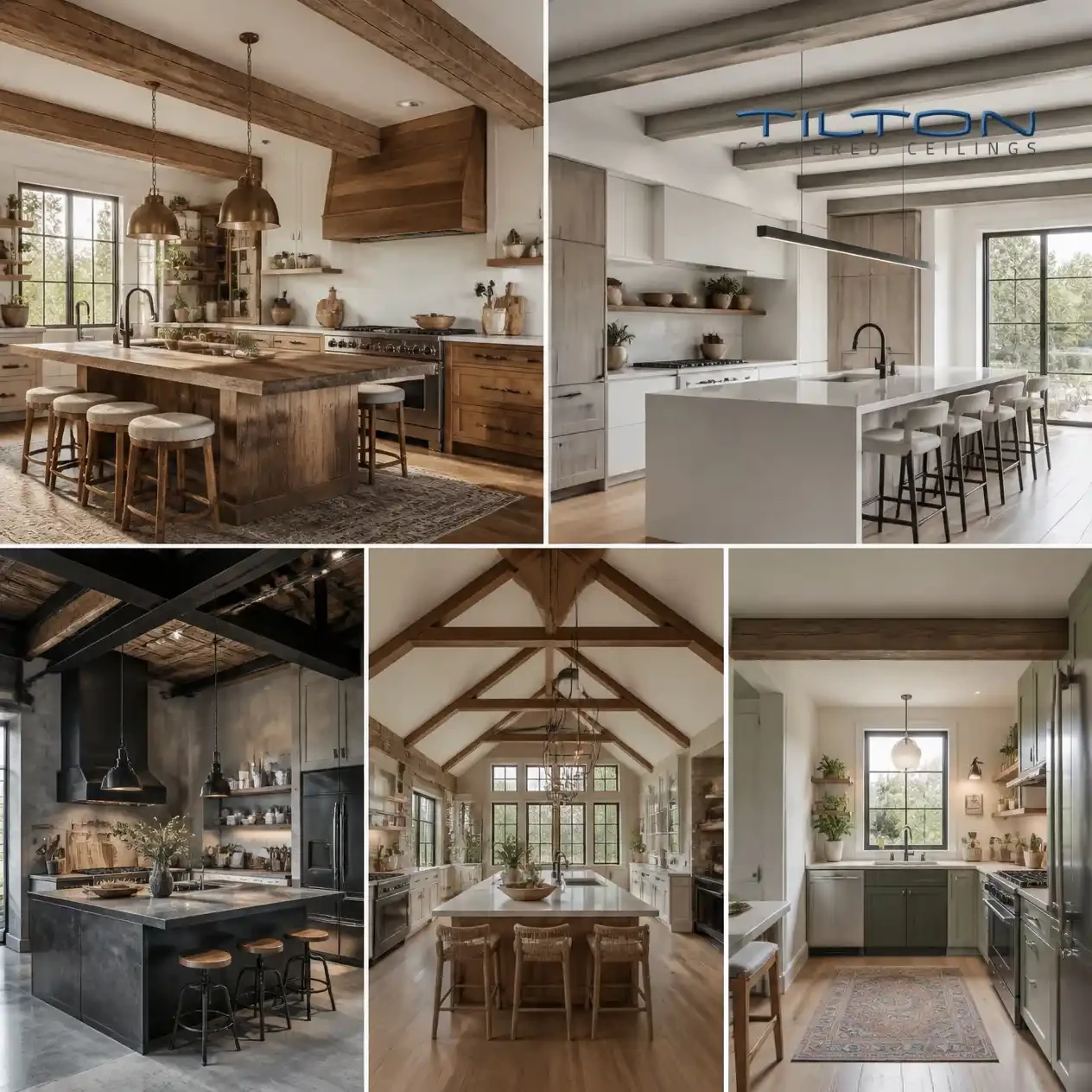
Kitchen ceiling beams add warmth, structure and a focal point to a kitchen ceiling. The best design depends on your ceiling height, room proportions, lighting and cabinet style. Faux wood beams are a popular choice because they are decorative, hollow and lightweight. Pick a finish that matches your style, size the beams to the room and confirm the product's installation and heat guidance before you buy.
A kitchen is the busiest room in most homes, and its ceiling is often the most overlooked surface. Flat white drywall does the job, but it adds nothing. Kitchen ceiling beams change that. They break up a large ceiling, frame an island, bring in a natural texture and tie together cabinets, lighting and floors. This guide covers design ideas for every style, from farmhouse to industrial, and explains how to choose a material, a layout and a finish. It also answers common questions about vaulted kitchens, small kitchens, cost and installation.
Why Kitchen Ceiling Beams Make a Difference
Well-chosen beams do more than decorate. They can:
- Create a focal point: Beams draw the eye up and give the ceiling a role in the design.
- Add structure to an open-concept layout: In a kitchen that flows into a dining or living area, beams can separate zones without walls.
- Frame a kitchen island: A beam run above the island makes it feel like the center of the room.
- Emphasize height: On a vaulted or high ceiling, beams and trusses highlight the architecture.
- Tie finishes together: Beam color can echo cabinets, flooring, hardware or trim.
The right choice depends on ceiling height, room proportions, lighting and the style of the whole room. If you are new to the product, our faux beams for ceilings buying guide explains materials, sizes and installation basics.
Kitchen Ceiling Beam Design Ideas for Every Style
Farmhouse and Rustic Kitchens
Warm stains, visible grain and hand-hewn texture suit farmhouse and rustic kitchens. Pair them with shaker or open-shelf cabinets, apron sinks and natural stone or butcher block. Tilton's Artisan Series shows how a hand-hewn texture reads on a beam. Decorative straps can add a hint of ironwork if you want a more rustic look.
Modern and Contemporary Kitchens
In a modern kitchen, restraint matters. A few evenly spaced beams in a smooth finish add contrast without crowding a minimalist room. Keep lines clean and let one element, such as the beams or the island, lead. See smooth vs textured beams for the difference in look.
Traditional and Classic Kitchens
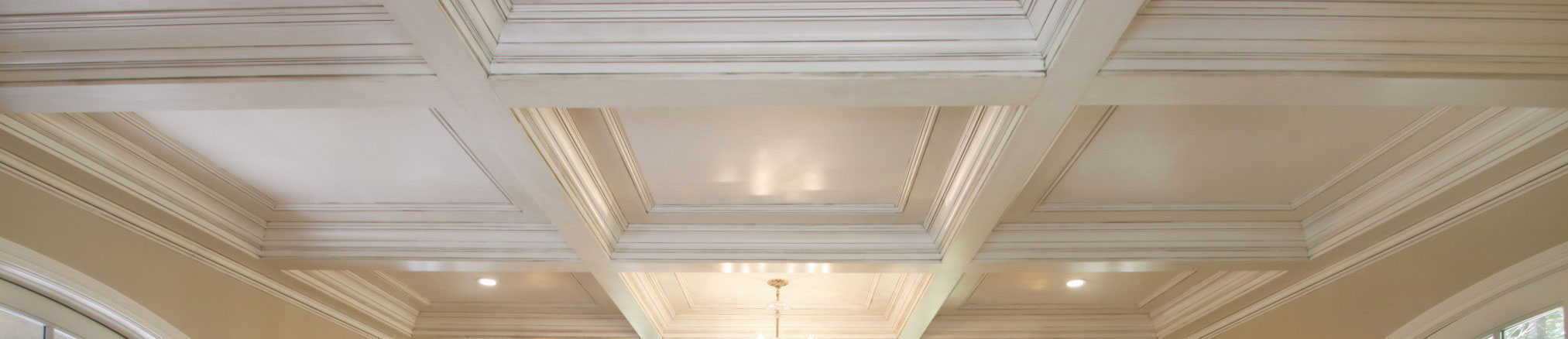
Traditional kitchens often have detailed cabinetry and crown molding. Beams in a classic arrangement, such as a grid, echo that formality. A coffered ceiling takes the idea further by framing the whole ceiling in a pattern.
Industrial-Style Kitchens
Darker finishes and metal-inspired details suit industrial kitchens. Tilton's Industrial Series faux steel beams give the look of steel without the weight. They pair well with concrete counters, black fixtures and open shelving.
Transitional Kitchens
A transitional kitchen blends traditional warmth with modern simplicity. A medium natural tone and a smooth or lightly textured beam bridge the two. Molded Series beams are one place to look for that balance.
Descriptions here are design guidance. Check each series page for the finishes and sizes that Tilton actually offers.
Faux Wood Beams vs. Natural Wood Ceiling Beams
Both can look beautiful. The difference is in the practical details.
|
Factor |
Faux wood beams |
Natural wood beams |
|
Appearance |
Molded or finished to look like timber |
Real grain, knots and variation |
|
Weight |
Hollow and lightweight, per Tilton's buying guide |
Solid and heavier |
|
Structure |
Decorative only |
May be structural in some builds, so confirm with a pro |
|
Design flexibility |
Many textures and finishes |
Depends on species and milling |
|
Maintenance |
Follow the manufacturer's care guidance |
Depends on species and finish |
|
Cost |
Varies by product and supplier |
Varies by species and size |
Do not assume one is always cheaper or easier. A kitchen has heat, grease and humidity, so check each product's specification for those conditions. For a deeper comparison, read faux vs real wood ceiling beams, and see Tilton's Natural Series real wood beams.
Choosing the Right Faux Wood Beam Style
Texture and finish shape the whole look.
- Molded faux beams have a molded wood grain and are a flexible default.
- Hand-hewn faux beams have a more pronounced, rustic texture.
- Smooth faux beams give a cleaner look for modern rooms.
- Natural wood beams offer real timber for those who want it.
- Industrial and faux iron beams bring a dark, metal-inspired look.
Order a sample and view it in your kitchen's light before you commit. Browse the textures and colors and the gallery of beams and trusses for ideas.
Kitchen Island Beams: Creating a Visual Centerpiece
A beam or pair of beams above a kitchen island defines the zone. It gives the island a ceiling "frame" that matches its footprint.
Practical points:
- Alignment: Run the beams parallel or square to the island so the lines agree.
- Scale: The beams should feel in proportion with the island and the room.
- Sightlines: Check the view from the kitchen, the dining table and the next room.
- Pendant lights: Plan pendant positions before the beams go up so lights hang cleanly between or beside beams.
- Ceiling height: In lower rooms, choose a slimmer profile. Tilton's guide to shallow beam kits explains options for limited height.
Decorative beams are not designed to carry lights or other loads. Use the support the light manufacturer and a qualified electrician specify, not the beam.
Kitchen Ceiling Beams for Vaulted and High Ceilings
Vaulted kitchens suit beams well because there is plenty of room to show them off. Beams across the span emphasize height and help the room feel intentional rather than empty.
For a more dramatic look, decorative trusses add a classic structure. Read how to choose the right truss pattern for vaulted ceilings and compare a scissor truss vs. king post truss. Our decorative ceiling trusses style guide covers more patterns, and ceiling trusses in great rooms shows how they work in large open spaces.
Decorative beams and trusses are not load-bearing building components. If your project involves structural changes to rafters or roof framing, talk to a qualified professional first.
How to Choose the Right Beam Layout, Color and Finish
Work through these questions in order:
- Ceiling height and proportions: Taller rooms can handle deeper beams. Lower ceilings need slimmer ones.
- Direction and spacing: Run beams in the direction that supports the room's long axis or the island. Spacing depends on the room and the product, so ask Tilton for guidance rather than relying on a rule of thumb.
- Cabinets and flooring: Pick a tone that either matches them or contrasts on purpose.
- Natural vs. contrasting finish: A natural tone feels warm. A dark or painted finish feels dramatic.
- Lighting: Plan recessed lights and pendants with the beam layout. See how faux wood beams add warmth for lighting ideas. For general kitchen planning, including lighting, the NKBA planning guidelines are a trusted industry reference.
- Adjacent rooms: Look at the dining and living areas the kitchen opens into, and carry the same finish through.
Can Faux Wood Beams Work in Small Kitchens?
Yes, if you keep the scale right. In a small kitchen, use fewer, slimmer beams in a lighter finish, and avoid a dense grid that makes the ceiling feel crowded. A single beam above the sink or the work zone can add interest without overwhelming the room. The best choice depends on the individual room, and no design will make every kitchen look larger.
Installation and Maintenance Considerations
Plan before you order. Check the ceiling condition, the framing, the product instructions and any local requirements. Tilton's buying guide describes mounting wood blocking strips to the ceiling joists and sliding the hollow beam over them, but each product has its own instructions. Use the measuring diagrams and installation guides, and see the installation products and beam accessories.
Kitchens add heat, steam and grease. Ask about the clearances needed near a range, cooktop or hood, and follow the manufacturer's care instructions for cleaning. If the ceiling or framing is uncertain, hire a qualified installer.
Complementary Ceiling and Wall Design Ideas
Beams look best as part of a plan.
- Ceiling planks: A tongue and groove ceiling between beams adds texture. See real wood ceiling and wall planks and the full ceiling and wall planks and paneling category.
- Wall panels: Decorative wall panels can warm up a backsplash wall or an island side.
- Coffered ceilings: Read how coffered ceilings transform flat ceilings for a more formal look.
- Floating panels: Floating ceiling panels are another way to add depth.
- Open-plan living areas: If the kitchen opens to a fireplace wall, coordinate with faux wood beam mantels.
Browse the full ceiling beams and trusses range when you are ready to compare.
Transform Your Kitchen with the Right Ceiling Beam Design
The right kitchen ceiling beams match your style, suit your ceiling height and work with your lighting and cabinets. Start with a clear picture of your room, order a sample and plan the layout before you buy.
When you are ready, explore Tilton's ceiling beams and trusses, get a quote, read the FAQs or contact the team.
Keep Reading
Beams: Commercial coffered beam ceilings | Faux steel beams and hardware |Product options | Compare products
Frequently Asked Questions About Kitchen Ceiling Beams
1. What are the benefits of kitchen ceiling beams?
Kitchen ceiling beams add a focal point, warmth and visual structure. They can frame an island, separate zones in an open plan and tie together cabinets, flooring and lighting.
2. Are faux wood beams a good choice for kitchen ceilings?
They can be, because they are hollow and lightweight and imitate timber. Check each product's specification for heat, grease and humidity, and follow the manufacturer's care guidance.
3. How do I choose kitchen ceiling beams for a modern kitchen?
Choose a smooth finish, a restrained layout and a tone that either matches your cabinets or contrasts with them on purpose. Fewer, evenly spaced beams usually suit a modern room best.
4. Can ceiling beams work in a small kitchen?
Yes, if the scale is right. Use fewer, slimmer beams in a lighter finish and avoid a dense grid.
5. How can I use ceiling beams above a kitchen island?
Run beams parallel or square to the island and keep their scale in proportion with it. Plan pendant light positions before installing the beams, and do not hang lights from decorative beams unless the product allows it.
6. Are faux wood beams suitable for vaulted kitchen ceilings?
Yes, decorative beams are often used on vaulted ceilings to emphasize height. Confirm the installation method for your ceiling angle and framing with the manufacturer.
7. How much do faux wood kitchen ceiling beams cost?
Cost varies by size, finish, length and supplier. Request a quote with your measurements to get an accurate number.
8. What should I consider before installing decorative kitchen ceiling beams?
Check the ceiling framing, the product instructions, the clearances near cooking appliances and the care requirements. Use a qualified installer if anything is unclear.
9. Are ceiling beams out of style?
No, ceiling beams are still widely used because wood and timber textures suit many design styles. The finish and scale matter more than the trend.
-800x800.png "Custom Fit Shallow Beam")
-800x800.png "Faux Wood Ceiling Beams")
-800x800.png "Ceiling Trusses")