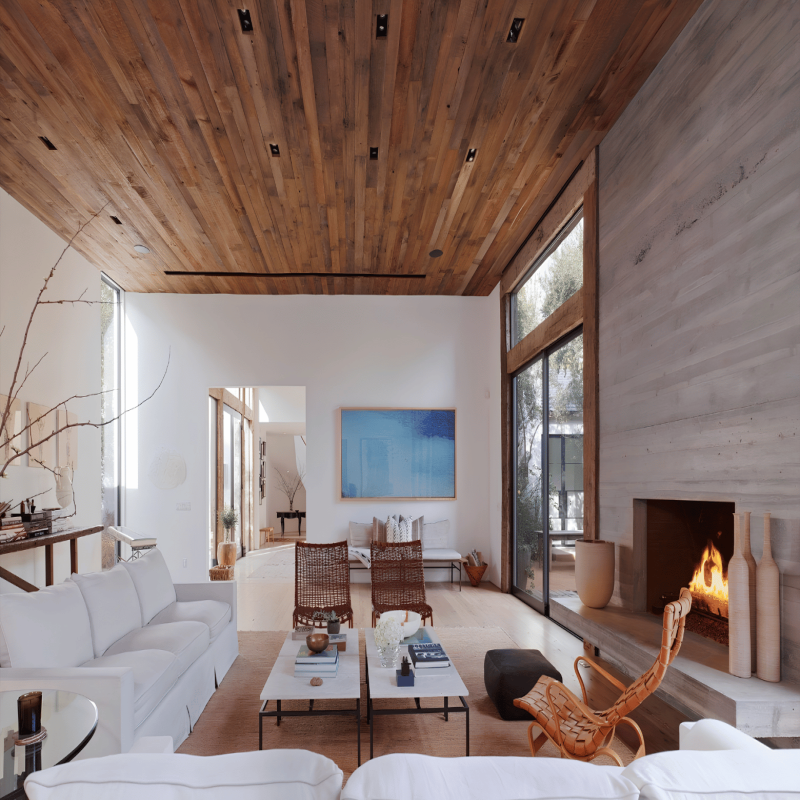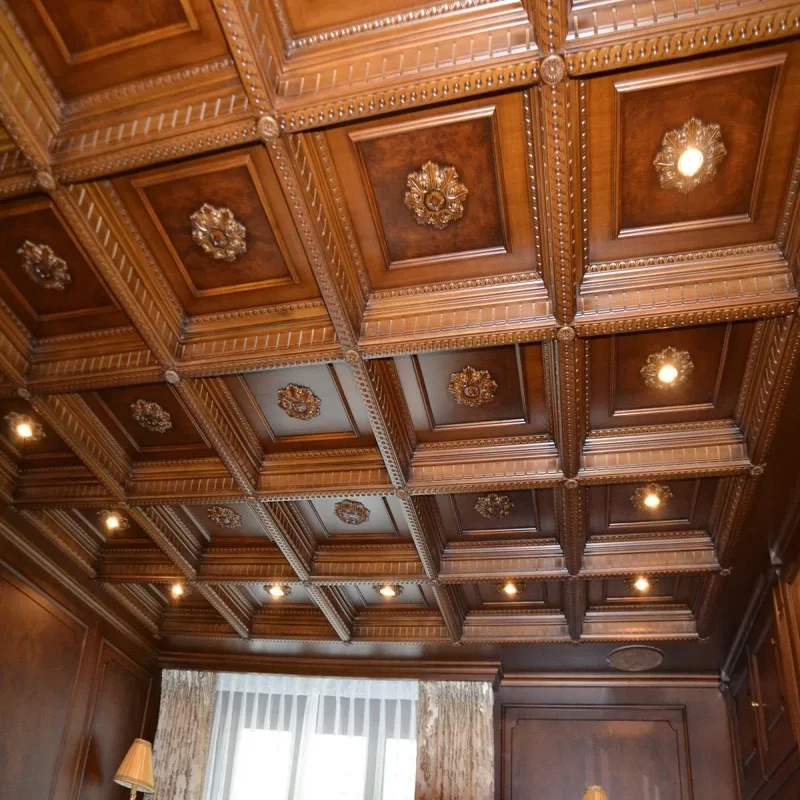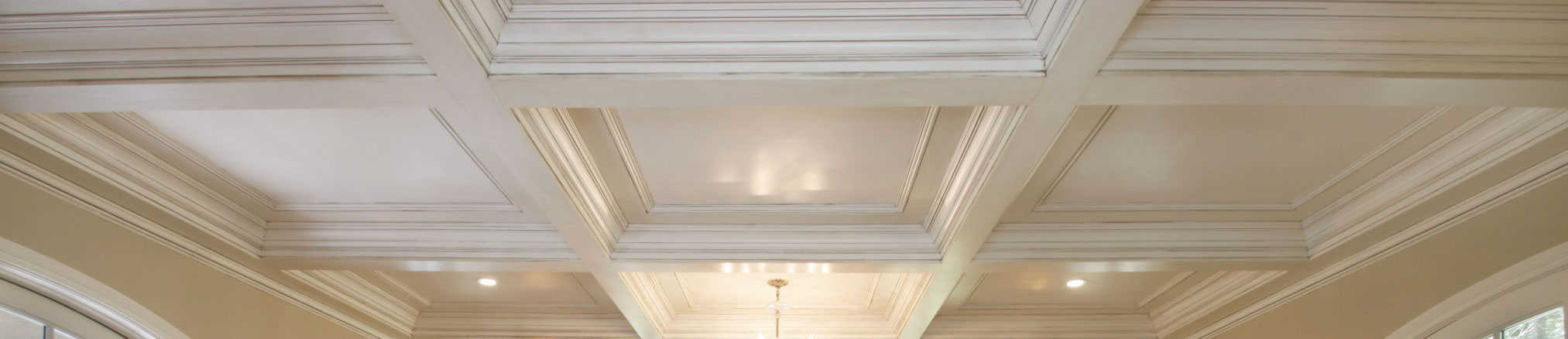



Decorative Wall Panels: Types, Materials & Design Ideas (2026 Guide)
Introduction
Decorative wall panels have become one of the most versatile ways to add architectural character to a room without a full renovation. Whether the goal is a textured accent wall, a warm wood-look feature, or a clean modern slatted design, the right decorative wall panels can change how a space feels almost overnight. But "wall panels" cover a wide range of styles and materials, each with different strengths. What works beautifully in a dry living room may be the wrong choice for a humid bathroom, and a bold 3D texture that suits a large open space can overwhelm a small bedroom. This guide walks through the major types of decorative wall panels, how the common materials compare, and how to choose the right combination for your room, your style, and your budget.
Quick Answer / Key Takeaway
Decorative wall panels are architectural surface coverings, made from wood, MDF, PVC, composite, or lightweight polyurethane, installed to add texture, dimension, or a defined accent to an interior wall. The best choice depends on the room's moisture exposure, the desired style (from raised traditional panels to modern slatted designs), your budget, and how much maintenance you're willing to take on. There's no single "best" wall panel, only the best match for a specific room and goal.
Table of Contents
- What Are Decorative Wall Panels?
- Types of Decorative Wall Panels
- Decorative Wall Panel Materials Compared
- How to Choose the Right Decorative Wall Panels
- Decorative Wall Panel Ideas for Different Rooms
- Modern Decorative Wall Panel Design Ideas for 2026
- Benefits of Decorative Wall Panels
- Common Mistakes to Avoid When Choosing Wall Panels
- Are Decorative Wall Panels Worth It?
- FAQ
What Are Decorative Wall Panels?
Decorative wall panels are pre-formed or built-up surface coverings installed over a wall to add texture, pattern, or dimension that a flat painted wall can't provide on its own. Unlike wallpaper or paint, panels add physical depth, grooves, raised sections, slats, or 3D texture, which is why they read as more architectural than decorative in the purely cosmetic sense, echoing the same depth and shadow-line effect used in coffered ceiling design. They're used both as full-wall treatments and as focused accent walls, and they serve a functional role too: many panel materials help even out minor wall imperfections and add a layer of surface durability in high-traffic areas.
At their core, decorative wall panels connect four things: the panel type (its visual style), the material it's made from, the features that material brings (weight, moisture resistance, texture), and the best use case that combination is suited for. Understanding that chain is the key to choosing well, a slatted wall panel style, for example, can be built in solid wood, engineered wood, or lightweight composite, and each version fits a different budget, room, and maintenance expectation.
Types of Decorative Wall Panels
Slatted Wall Panels
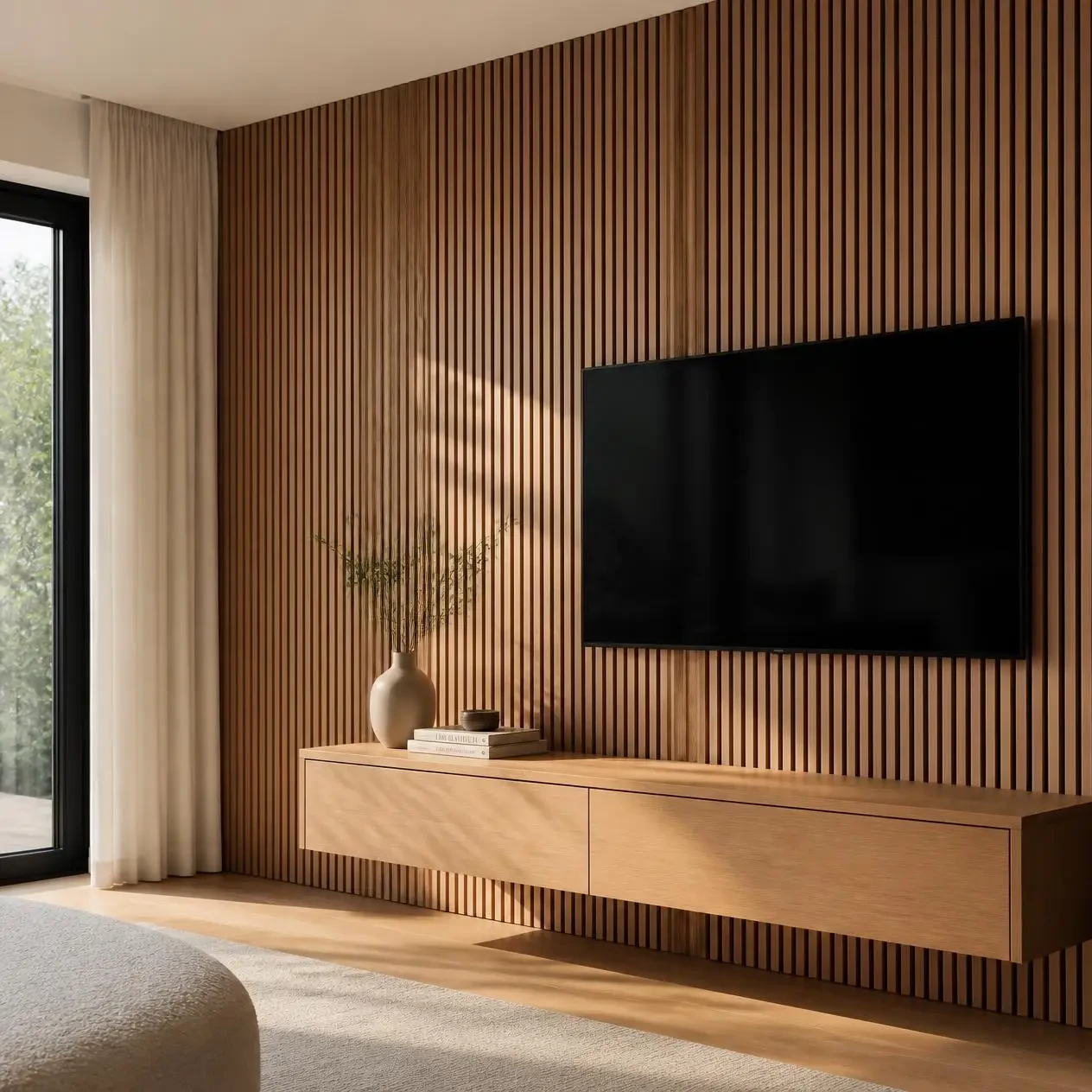
Vertical or horizontal wood-look slats spaced with a visible gap between them, often mounted over an acoustic felt backing. Slatted panels are one of the most popular modern styles right now, working especially well behind a bed, TV, or as a full accent wall in a living room or office. They read as warm and architectural without being heavy-handed, and the gapped design adds real dimension even from a distance.
Shiplap and Plank Panels
Horizontal or vertical boards installed with a visible reveal or overlapping edge, most associated with farmhouse and coastal interiors but equally at home in transitional spaces when painted a neutral tone. Shiplap is one of the most budget-flexible panel styles, available from basic painted MDF to premium real wood, see how tongue and groove and shiplap wall planks compare directly if this style fits your project.
Raised or Recessed Panels
Traditional, formal panel styles, think wainscoting or a coffered-ceiling-adjacent look brought to the wall, built from a grid of raised rectangles or recessed insets, often finished with trim or molding. These suit formal dining rooms, libraries, and traditional interiors far more than casual or minimalist spaces.
Textured Wall Panels
Panels designed primarily for surface texture rather than a defined pattern, think subtle geometric relief, fabric-wrapped acoustic panels, or textured composite tiles. These work well when the goal is tactile interest without a strong directional pattern.
3D Decorative Wall Panels
Panels with pronounced sculptural relief, geometric, organic, or abstract patterns that cast real shadow and depth under light. 3D panels make the strongest visual statement on this list and are best used as a single accent wall rather than a full-room treatment, since the effect can become visually heavy at scale, the same principle behind floating ceiling panels, where concealed mounting creates a similar shadow-line effect overhead instead of on the wall.
Board and Batten Wall Panels
Vertical boards (battens) applied over a flat panel or directly to drywall, creating a grid of shallow raised rectangles. A popular middle ground between the formality of raised panels and the casual feel of shiplap, common in entryways, dining rooms, and half-wall treatments.
Modern Accent Wall Panels
A broad category covering clean-lined, minimal panel designs, often a single large-format panel or a simple repeating grid, built to read as quietly architectural rather than decorative in a busy sense. These suit contemporary and minimalist interiors where the panel's job is texture and shadow line, not pattern.
Decorative Wall Panel Materials Compared
Material affects appearance, weight, moisture performance, and long-term maintenance more than any other single decision in the process.
Natural wood offers the most authentic grain and can be stained or finished to match existing millwork, but it's the heaviest option, the most expensive per square foot, and the most sensitive to humidity swings over time, see Tilton's real wood wall panels for the authentic-grain option.
Engineered wood uses real wood veneers over a stable core, offering much of natural wood's appearance with better dimensional stability and typically a lower cost than solid lumber.
MDF (medium-density fibreboard) is smooth, consistent, and paint-ready, making it a popular choice for painted panel styles like shiplap or board and batten, though it performs poorly in consistently humid environments unless specifically moisture-rated. Tilton's MDF wall panels are built specifically for this paint-ready, budget-friendly application.
PVC and similar synthetic materials resist moisture well and are lightweight, making them a practical option for bathrooms and other humid spaces, though they don't replicate wood grain texture as convincingly as engineered or faux wood options.
Composite materials blend wood fiber with binding agents to balance cost, weight, and durability, a reasonable middle-ground option across most rooms, similar in spirit to Tilton's faux steel and concrete panels for an industrial-style composite finish.
Polyurethane or lightweight alternatives are molded to replicate wood grain and texture in a hollow, low-weight shell, making them easier to install than solid material and resistant to warping, cracking, and moisture-related damage, a practical option when the goal is a wood-look finish without the weight or upkeep real wood requires. This is the same construction principle covered in detail in Faux Wood vs. Real Wood: Which Is Right for You?, and it's the material behind Tilton's own faux wood wall panels.
|
Material |
Appearance |
Durability |
Maintenance |
Best For |
|
Natural Wood |
Authentic grain, can be stained |
Sensitive to humidity over time |
Higher, periodic sealing/refinishing |
Formal rooms, wood purists |
|
Engineered Wood |
Close to natural wood |
More stable than solid wood |
Moderate |
Most residential rooms |
|
MDF |
Smooth, paint-ready |
Poor in humid environments |
Low, if kept dry |
Painted styles, dry rooms |
|
PVC / Synthetic |
Less realistic texture |
Strong moisture resistance |
Low |
Bathrooms, humid spaces |
|
Composite |
Balanced wood-fiber look |
Solid, general-purpose |
Low to moderate |
Broad residential use |
|
Polyurethane / Faux Wood |
Realistic molded wood grain |
Won't warp, crack, or absorb moisture |
Low |
Wood look without the weight or upkeep |
How to Choose the Right Decorative Wall Panels
Work through these factors in order, since each one narrows the field before you get to style preferences:
- Room location and moisture exposure: A bathroom or humid basement rules out untreated MDF and most natural wood; PVC, treated composite, or polyurethane become the safer starting point.
- Interior style: Formal and traditional rooms lean toward raised panels or board and batten; modern and minimalist spaces suit slatted or clean accent panels; casual and coastal styles suit shiplap.
- Durability and maintenance tolerance: If you don't want to think about sealing or refinishing again, lean away from natural wood toward engineered, composite, or polyurethane options.
- Installation requirements: Heavier materials (solid wood, some composites) may need additional structural support or professional installation; lightweight materials are more DIY-friendly.
- Wall size and scale: Large 3D or heavily textured panels can overwhelm a small room, reserve bold texture for a single accent wall rather than a full enclosure in tight spaces.
- Budget: Material cost varies widely across this list; setting a per-square-foot budget early narrows the material list before you fall in love with an option outside your range.
- Existing décor: Match panel tone and style to what's already fixed in the room, flooring, trim, and cabinetry, rather than treating the wall panel as an isolated decision.
Decorative Wall Panel Ideas for Different Rooms
Living Room Wall Panels
Slatted panels behind a media wall or sofa are the most popular current living room application, they add warmth and texture without competing with furniture or art. Board and batten also works well in living rooms with more traditional trim already in place.
Bedroom Wall Panels
A single accent wall behind the headboard is the most common bedroom application, slatted, shiplap, or a soft textured panel all work well here, since the goal is usually a calm, cohesive backdrop rather than a bold statement.
Dining Room Accent Walls
Raised or recessed panels and board and batten suit dining rooms particularly well, since these spaces tend to carry more formal design intent than a living room or bedroom, the same formal character covered in What Is a Wood Coffered Ceiling? if you're pairing wall paneling with a matching ceiling treatment.
Entryway and Hallway Panels
Board and batten and shiplap are durable, visually strong choices for entryways, where the wall needs to make a first impression and hold up to daily traffic.
Home Office Wall Designs
Slatted and textured acoustic panels do double duty in a home office, adding visual interest on video calls while genuinely helping dampen sound in a room that often lacks soft furnishings.
Modern Decorative Wall Panel Design Ideas for 2026
Rather than chasing unverified trend claims, a few design directions consistently work well across current interiors:
- Vertical slatted designs: the strongest current direction in modern residential paneling, suited to nearly any room with adequate height.
- Natural wood-inspired finishes: whether real, engineered, or faux wood, warm wood tones continue to anchor modern-traditional and transitional interiors.
- Textured accent walls: subtle geometric or organic texture used on a single wall rather than a full room, keeping the effect intentional rather than overwhelming.
- Minimalist paneling: large-format, low-pattern panels that rely on shadow line and material quality rather than a busy design.
- Mixed material designs: pairing a wood-look panel with a contrasting material (stone-look composite, matte black trim) for a more layered, custom look.
- Warm neutral finishes: softer, warmer tones replacing stark white or cool gray as the default panel finish in many current interiors.
Benefits of Decorative Wall Panels
- Adds genuine visual interest and dimension a flat wall can't provide
- Introduces architectural character without structural renovation
- Highly customizable, style, material, and finish can be matched to almost any interior
- Creates a natural focal point when used as an accent wall
- Adds real surface texture, not just applied pattern
- Covers more wall surface area efficiently than many alternative treatments
- Can help even out minor wall imperfections depending on material and installation method
Common Mistakes to Avoid When Choosing Wall Panels
Choosing the wrong material for a moisture-prone room.
Solution: default to PVC, treated composite, or polyurethane in bathrooms and humid basements rather than untreated wood or MDF.
Ignoring wall measurements before ordering.
Solution: measure the full wall, account for outlets and trim, and confirm panel sizing before purchase to avoid awkward cuts or short orders.
Selecting a style that clashes with the room's existing character.
Solution: match panel formality to the room, raised panels in a casual space or slatted panels in a highly traditional room can feel out of place.
Overlooking installation requirements.
Solution: confirm whether a material needs blocking, adhesive, or professional installation before committing, especially for heavier materials.
Failing to consider long-term maintenance.
Solution: be honest about how much upkeep you're willing to do, if the answer is "none," steer away from natural wood toward lower-maintenance materials.
Using too much visual texture in a small space.
Solution: reserve bold 3D or heavily textured panels for a single accent wall in smaller rooms rather than a full enclosure.
Are Decorative Wall Panels Worth It?
For most homes, yes, decorative wall panels offer a meaningful visual upgrade relative to their cost, particularly when used strategically as an accent wall rather than a full-room treatment. They're most worth it when a room needs a defined focal point, when existing walls have minor imperfections worth covering, or when a homeowner wants texture and architectural character without a structural renovation. They're less worth it in rooms where wall space is already visually busy (heavy artwork, bold wallpaper elsewhere) or where budget is better spent on higher-impact structural changes. As with most interior finishes, the right answer depends on the specific room and goal rather than a universal yes or no.
Conclusion
Choosing the right decorative wall panels comes down to matching four things: the style that fits your room's character, the material that fits your moisture exposure and maintenance tolerance, the scale that fits your wall size, and the budget that fits your project. There's genuine value in nearly every option on this list, the question isn't which material or style is universally best, but which combination is best for your specific space. Working through room conditions and maintenance expectations before falling in love with a look will save both money and regret down the line.
CTA
Readers ready to compare real materials and finishes can order a sample, shipping is free, and the full cost is credited toward a first order, making it a low-risk way to see and feel the material before committing.
FAQs
What are decorative wall panels used for?
Decorative wall panels are used to add texture, dimension, and architectural character to interior walls, either as a full-room treatment or a focused accent wall, while also helping cover minor wall imperfections depending on the material.
Which material is best for decorative wall panels?
There's no single best material, natural wood suits buyers wanting authentic grain and are willing to maintain it, while polyurethane or composite options suit those wanting a similar look with less weight, cost, and upkeep. The right choice depends on the room's moisture exposure and your maintenance tolerance.
Are decorative wall panels suitable for bedrooms?
Yes, bedrooms are one of the most common applications, typically as a single accent wall behind the headboard using slatted, shiplap, or textured panel styles.
Can decorative wall panels be used as an accent wall?
Yes, and it's one of the most popular applications, a single accent wall lets you use a bolder panel style or texture without it overwhelming the whole room.
How do I choose the right wall panel design?
Start with the room's moisture exposure and your maintenance tolerance, then match panel style to the room's existing formality and scale the boldness of the design to the size of the space.
Are decorative wall panels difficult to install?
It depends on the material, lightweight options like polyurethane or thin composite panels are generally DIY-friendly, while solid wood or large-format panels often benefit from professional installation.
What decorative wall panels are easiest to maintain?
Polyurethane, PVC, and treated composite panels generally require the least maintenance, since they resist moisture and don't need periodic sealing or refinishing the way natural wood does.
Do decorative wall panels work in small rooms?
Yes, with one caveat, reserve bold 3D or heavily textured panels for a single accent wall in smaller spaces rather than a full-room treatment, where the same texture can start to feel overwhelming.
-800x800.png "Custom Fit Shallow Beam")