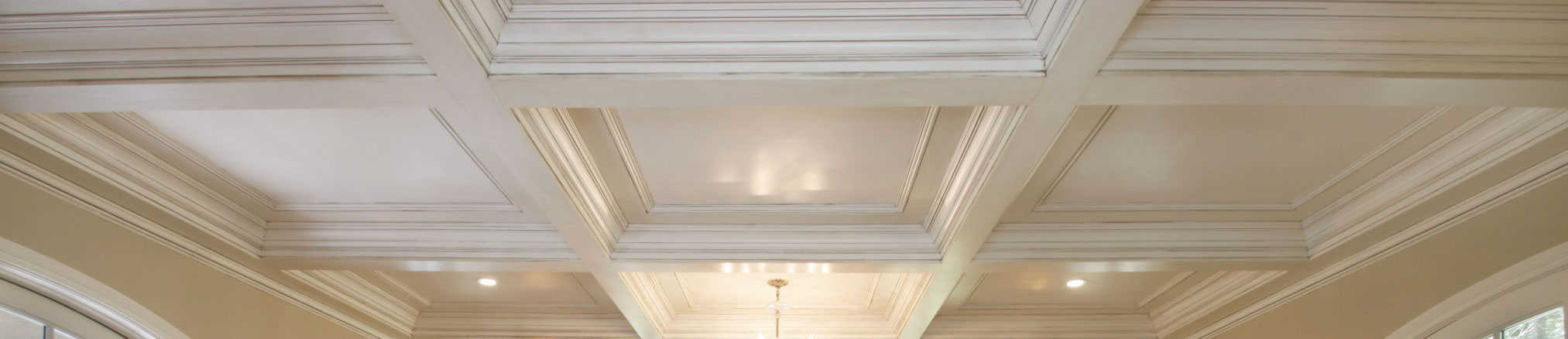



Artisan Smooth vs. Artisan Series Beams: What's the Difference?
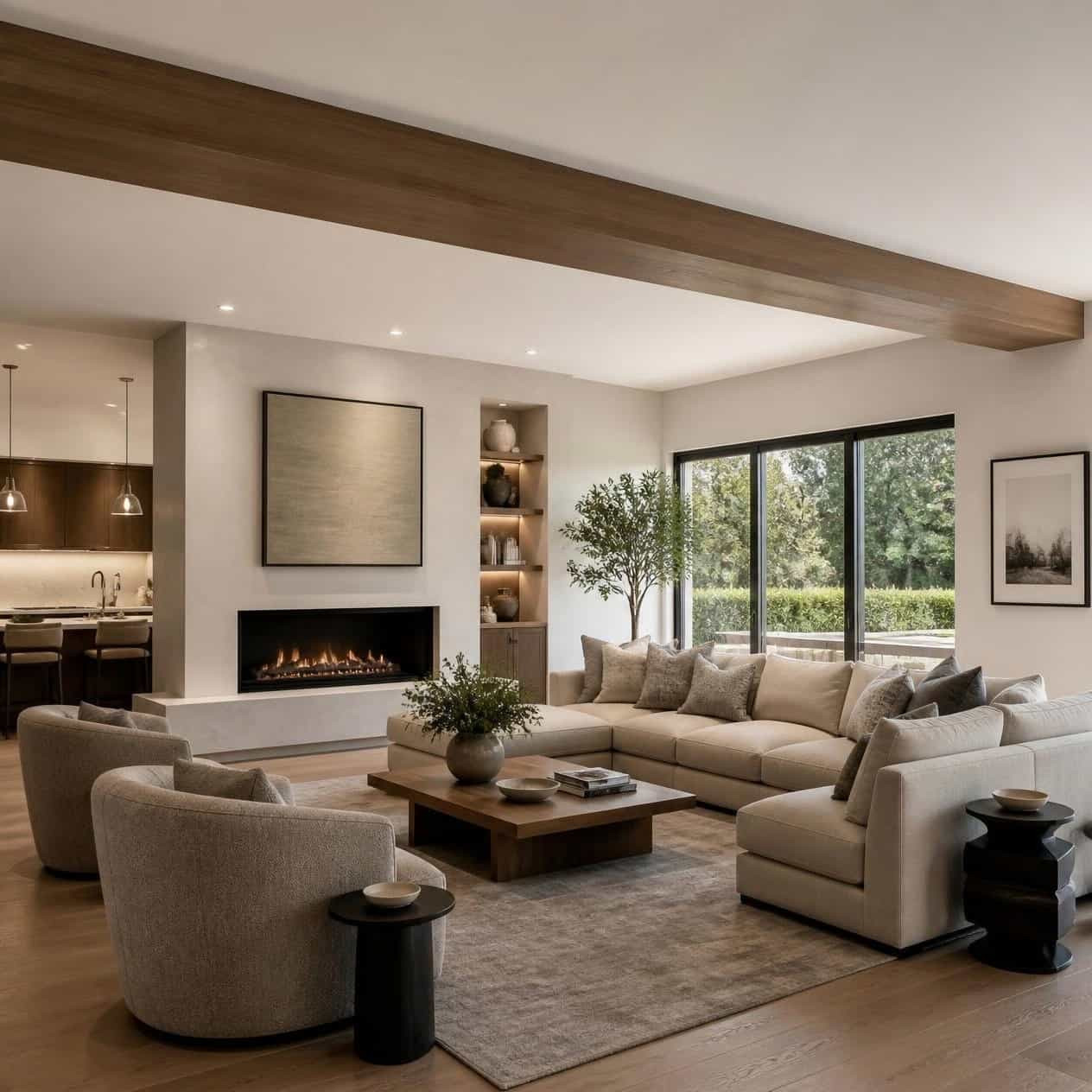
If you've landed on both the Artisan Series and Artisan Smooth product pages and aren't sure which one actually fits your ceiling, you're not alone, the names are close enough that the difference isn't obvious at a glance. The short version: Artisan Series is built around a hand-hewn, tool-marked texture, while Artisan Smooth strips that texture away for a cleaner, more refined surface while keeping the same beam construction and thickness. This guide walks through exactly what separates the two, so you can choose based on the actual visual result rather than guessing from the name.
Artisan Smooth Faux Wood Beams Explained
Artisan Smooth faux wood beams share the same hollow, cast-from-real-wood construction and consistent thickness as the standard Artisan Series, but without the irregular, hand-hewn surface detailing. The result is a beam that still carries real wood grain and character, but reads as cleaner and more refined, closer to the finish a smoothing plane leaves on solid timber than a rough-hewn one. This makes Artisan Smooth a natural fit for interiors that want the warmth of a wood beam without the more rustic, textured statement a hand-hewn finish makes, a pairing covered in more depth in a planned "Modern Ceiling Beam Design" companion piece.
Artisan Series Faux Wood Beams Explained
Artisan Series beams, covered in full in the dedicated Artisan Series guide, are built around hand-hewn surface texture: irregular, tool-marked detailing designed to replicate the look of timber shaped by hand rather than milled smooth. This texture gives the beam a more visually assertive, rustic character than a smooth finish, and reads as older and more historically authentic, the same design direction covered in a planned "Farmhouse Ceiling Beam Ideas" companion piece. Both lines share the same underlying construction and 1-inch thickness; the difference is entirely in the surface finish.
Artisan Smooth vs. Artisan Series: Key Differences
|
Feature |
Artisan Smooth |
Artisan Series |
|
Surface appearance |
Clean, refined, minimal texture |
Irregular, hand-hewn, tool-marked |
|
Texture |
Smooth to the touch |
Rough, visually pronounced |
|
Design character |
Understated, versatile |
Rustic, historically authentic |
|
Best interior styles |
Modern, contemporary, transitional |
Rustic, farmhouse, lodge, traditional |
|
Visual effect |
Reads as finished, milled wood |
Reads as aged, hand-tooled wood |
|
Ideal applications |
Rooms wanting warmth without a strong rustic statement |
Rooms specifically wanting visible texture and age |
|
Overall look |
Refined wood-look accent |
Bold architectural statement |
Texture and Appearance Comparison
The core difference comes down to how each surface interacts with light. A smooth finish reflects light evenly across the beam, giving a clean, consistent appearance from any angle. A hand-hewn finish, by contrast, catches light unevenly across its irregular surface, creating shadow and texture that shifts depending on viewing angle and lighting, part of why hand-hewn beams read as more dimensional and rustic even before considering stain or color.
Which Style Fits Different Interior Designs?
Modern and contemporary interiors generally suit Artisan Smooth better, the cleaner surface doesn't compete with the minimal, uncluttered lines these styles favor.
Farmhouse and rustic interiors typically call for Artisan Series, the hand-hewn texture reinforces the intentionally aged, handcrafted feel central to these styles.
Traditional interiors can work with either, depending on how formal or historically rustic the specific room leans.
Transitional spaces blending modern and traditional elements, often do well with Artisan Smooth, since it adds warmth without pulling the room toward a fully rustic aesthetic.
Neither style is universally better, the right choice depends entirely on which visual direction the room is already headed.
Choosing the Right Beam for Your Ceiling
Beyond texture preference, a few practical factors matter for either line: ceiling height and room size affect how much visual weight a beam grid should carry, existing architecture and trim style should inform whether smooth or textured reads as more cohesive, and beam color should be considered alongside flooring and wall finishes rather than in isolation. Neither Artisan Smooth nor Artisan Series changes these fundamentals, the sizing and placement logic covered in the Molded Series guide applies equally here. For interiors weighing a different material entirely, the Faux Wood vs. Real Wood comparison and the Faux Beams Buying Guide cover the broader decision before texture even enters the picture.
Beam Size and Proportion Considerations
Faux beam sizing follows the same core principles regardless of finish: ceiling height, room scale, and intended spacing all factor into the right profile size. Because Artisan Smooth and Artisan Series share the same underlying thickness, choosing between them is a texture decision, not a sizing one, you don't need to re-evaluate proportions just because you're comparing finishes rather than product lines.
Can These Beams Work on Vaulted Ceilings?
Yes, vaulted and high ceilings suit both finishes well, since the added height gives either texture room to read as substantial without feeling oversized. The choice between smooth and hand-hewn on a vaulted ceiling comes down to the same style consideration as any other room: a smooth finish keeps a vaulted space feeling more open and modern, while a hand-hewn finish reinforces a more dramatic, rustic lodge-style effect, often paired with decorative trusses for a fuller vaulted treatment. For the historical and structural context on coffered treatments at this scale, see What Is a Wood Coffered Ceiling?
Artisan Smooth vs. Artisan Series: Which Should You Choose?
Choose Artisan Smooth when:
- The design calls for a cleaner visual appearance
- The room has a modern, contemporary, or transitional aesthetic
- You want the warmth of a wood beam without a strong rustic statement
Consider Artisan Series when:
- The design benefits from visible, pronounced texture
- A hand-hewn, historically authentic appearance is the goal
- The room calls for rustic, farmhouse, or lodge-style character
Final Comparison
- Same construction and thickness, the choice is about finish, not structure or sizing
- Smooth = refined and versatile, fits a broader range of contemporary styles
- Hand-hewn = bold and rustic, best when the room's design specifically calls for visible texture
- Neither is "better", the right pick depends entirely on your room's existing design direction
FAQs
What is the difference between Artisan Smooth and Artisan Series beams?
Artisan Smooth has a clean, refined surface finish, while Artisan Series has a hand-hewn, tool-marked texture. Both share the same underlying construction and thickness, the difference is entirely in surface finish.
What are Artisan Smooth faux wood beams?
Artisan Smooth faux wood beams are hollow, decorative beams cast from real wood for authentic grain, finished with a clean, minimal-texture surface rather than hand-hewn detailing.
Are Artisan Series beams hand-hewn?
Artisan Series beams have a hand-hewn appearance, surface texture designed to replicate timber shaped by hand, rather than being genuinely hand-hewn solid wood.
Are smooth faux wood beams good for modern interiors?
Yes, the cleaner surface finish generally suits modern, contemporary, and transitional interiors better than a more visually assertive hand-hewn texture.
Can faux wood beams be used on vaulted ceilings?
Yes, both Artisan Smooth and Artisan Series work well on vaulted ceilings; the choice between them comes down to whether you want the space to feel more modern (smooth) or more rustic (hand-hewn).
How do I choose the right faux beam size?
Sizing depends on ceiling height, room scale, and intended spacing, the same principles apply regardless of whether you choose the smooth or hand-hewn finish.
Are faux wood beams decorative or structural?
Decorative only, both Artisan Smooth and Artisan Series beams are non-structural and not designed to bear load.
-800x800.png "Faux Wood Ceiling Beams")
-800x800.png "Ceiling Trusses")
-800x800.webp "Faux Beams for Ceilings: The Complete Buying Guide")