


COFFERED CEILINGS - BOX BEAM SYSTEMS

THE NEW STANDARD FOR TRADITIONAL COFFERED CEILING TREATMENTS
EXPLORE THE FOLLOWING BOX BEAM COFFERED CEILING PRODUCTS FOR OPTIONS & PRICING
Showing all 2 results
Box Beam Coffered Ceiling Systems
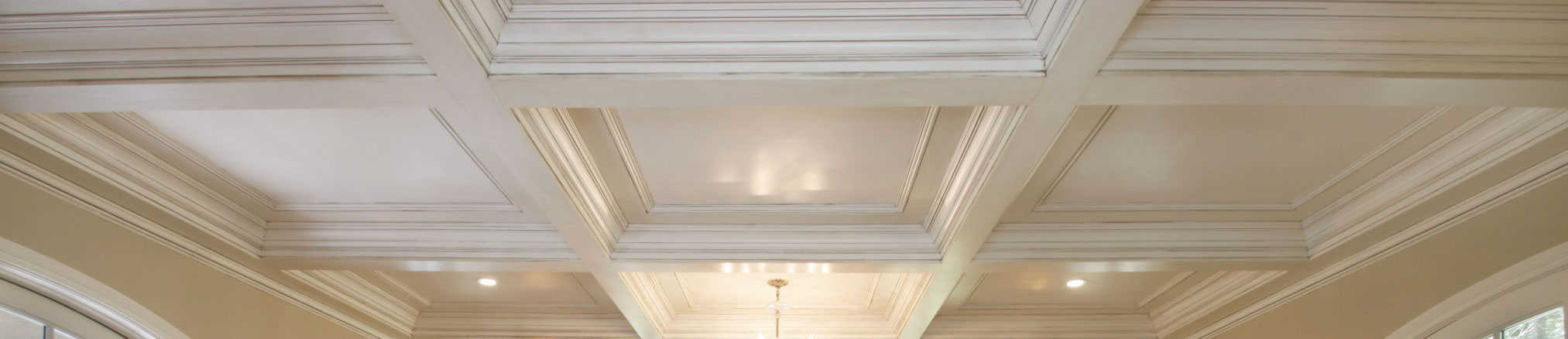
Our modular Box Beam Coffered Ceiling Systems are a manufactured-to-order solution for creating a clean, consistent ceiling treatment. A box beam coffered ceiling introduces depth and architectural structure through straight beam lines, balanced spacing, and recessed panels that form a repeating ceiling grid. The result is a finished ceiling design that feels intentional, structured, and professionally planned.
Box beam systems are commonly used in both residential and commercial interior design projects. In modern homes they help create strong visual structure without adding heavy decorative trim, while in traditional interiors they reinforce classic architectural details. The grid pattern created by the beams provides order across the ceiling surface and often becomes one of the defining visual elements of the room.
If you are researching what is a coffered ceiling, the term describes a ceiling made from a series of sunken panels that are arranged in a structured grid. The word coffer historically refers to a recessed compartment or decorative panel. In architecture, a coffered ceiling uses beams or structural framing to create these recessed areas, producing depth, rhythm, and visual interest across the ceiling plane.
Because the grid pattern draws the eye upward, a box beam coffered ceiling can make rooms feel more refined and visually balanced. The structural layout also helps define ceiling zones in open floor plans, allowing designers to highlight dining areas, seating areas, or entryways within larger spaces.
What Makes a Coffered Look
A coffered ceiling layout is defined by repeated geometric ceiling designs that divide the ceiling into a grid pattern. Inside this framework sit recessed panels that form the individual coffers. Together, these elements create a series of sunken panels that add depth and dimension to the ceiling surface.
These geometric ceiling designs can vary depending on the architectural style of the space. Some ceilings use simple square grids, while others incorporate rectangular layouts or more decorative geometric patterns. Regardless of the exact pattern used, the key concept behind a coffered ceiling is the combination of structural beam lines and recessed panel areas.
- Grid framework: Beam lines create the layout and spacing.
- Recessed panels: Open sections between beams form each coffer.
- Clean intersections: Crisp joints add structure and visual order.
- Scale control: Panel size should match ceiling height and room scale.
In interior design, coffered ceilings are often used to add architectural character to living rooms, dining rooms, offices, libraries, and entryways. The grid pattern introduces structural elements that bring visual interest to ceilings that might otherwise appear flat or unfinished.
Even simple ceiling designs can benefit from a coffered layout. By dividing the ceiling into structured panels, the design introduces rhythm and balance that improves the overall feel of the space.
Why Choose Box Beam Systems
Box beam systems provide a practical way to create a box beam coffered ceiling without constructing each beam individually on site. These systems help guide the layout so the ceiling grid remains straight, consistent, and visually balanced across the entire room.
For builders, contractors, and designers, this approach simplifies the process of installing a coffered ceiling system. Instead of designing every beam location manually, the layout can be planned in advance and executed with predictable spacing and alignment.
Homeowners and DIY installers also benefit from this structure. When installing a coffered ceiling system, clear layout planning reduces guesswork and helps maintain straight grid lines throughout the project.
- Design impact: Adds depth and visual structure.
- Layout consistency: Repeating grids create symmetry.
- Ceiling flexibility: Works on flat and many vaulted ceilings.
- Planning support: Makes layout and installation easier.
- Room comfort: May help soften sound in larger rooms.
In open floor plans, the ceiling pattern can help visually organize the room. A coffered grid may frame a dining table, highlight a seating area, or reinforce the architectural alignment of lighting fixtures and trim details.
Box Beam System Options
Choosing the right box beam coffered ceiling system depends on your room dimensions, ceiling height, and design goals. Proper grid spacing ensures that the finished ceiling pattern looks balanced across the entire space.
Custom-fit systems are often used when designers want the ceiling grid to align precisely with walls, lighting fixtures, or architectural features. These layouts help maintain balanced borders and prevent uneven spacing near room edges.
- Coffered Ceiling Box Beam System (Custom Fit) : A custom-fit box beam coffered ceiling system designed around your room dimensions. This option helps ensure the ceiling grid aligns with walls, lighting locations, and other structural ceiling elements.
When planning a coffered ceiling system, it is helpful to consider how the grid will interact with ceiling fixtures. Lights, vents, and ceiling fans should ideally align within the recessed panels so the overall ceiling design remains visually balanced.
Design Tips for Better Results
A well-designed coffered ceiling should feel calm, structured, and balanced. When the grid pattern is carefully planned, the ceiling becomes an architectural feature rather than just decorative trim.
Many modern homes use subtle ceiling designs where the beams and recessed panels share similar colors. This creates visual interest without making the ceiling feel too heavy. Traditional interiors sometimes emphasize the beams themselves using contrasting finishes or decorative trim details.
- Match the scale: Higher ceilings support larger panels and wider spacing.
- Align with lighting: Center fixtures in the grid when possible.
- Keep borders even: Balanced borders make the pattern feel planned.
- Plan the finish: Paint or stain changes how bold the beams look.
Even subtle ceiling patterns can dramatically improve the feel of a room. The right coffer layout creates a sense of order that ties together lighting, trim, and overall interior design.
Installation Overview
Most box beam coffered ceiling installations follow a similar process. Careful layout planning is the most important step in achieving a straight and balanced ceiling grid.
- Measure the room and determine the grid pattern and border spacing.
- Mark reference lines to keep the ceiling layout square.
- Dry-fit sections to confirm alignment with lights and structural elements.
- Install beams in sequence to maintain straight grid lines.
- Finish seams and intersections for a built-in architectural appearance.
Even when working with vaulted ceilings or angled surfaces, the same basic principle applies. The grid lines must remain straight and the beam intersections must stay consistent so the recessed panel pattern reads clearly across the entire ceiling.
Related Ceiling Beam Products
- Beam Mantels : Add a mantel to create balance and a cohesive architectural theme.
- Beam Accessories : Decorative straps, plates, and hangers to complete the look.
- Beam Installation Products : Hardware and kits that support a clean installation.
A carefully planned ceiling grid can introduce architectural character, reinforce structural elements, and bring visual interest to the entire room. Box beam systems help make this process predictable so the final coffered ceiling looks balanced and professionally designed.