


CEILING & WALL PANELS

PANELIZED PRODUCTS THAT ARE QUICK & EASY TO INSTALL
EXPLORE THE FOLLOWING SUB-CATEGORIES FOR AVAILABLE PRODUCTS
Ceiling & Wall Panels
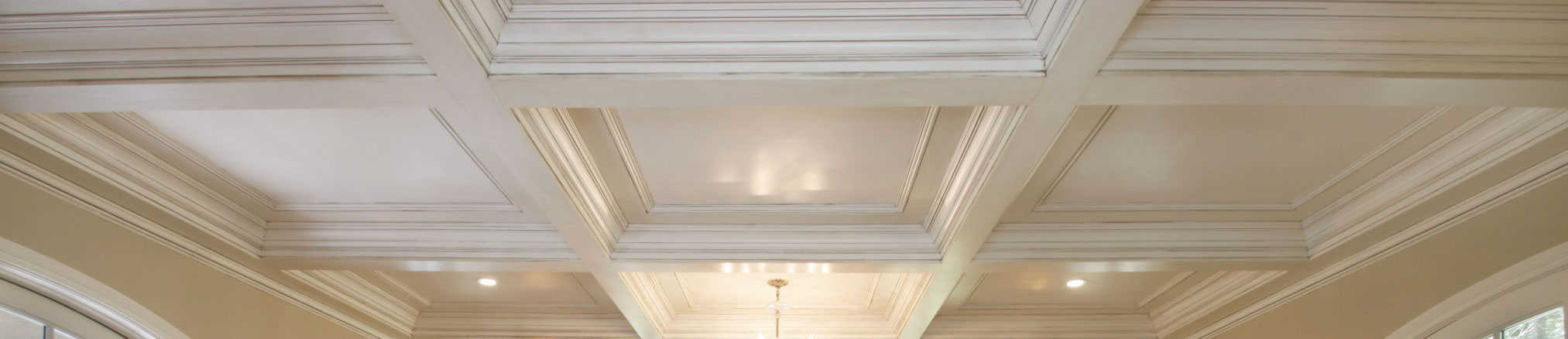
Upgrade a room with our ceiling and wall panels that add instant texture, depth, and a finished architectural look. You get the exact aesthetic you want without the heavy labor tied to traditional masonry or carpentry work. This collection includes faux stone wall panels, faux brick wall panels, slatwall panels, wood wall paneling, and other versatile interior wall panels perfect for homes, offices, retail spaces, restaurants, and hospitality settings.
Many of our decorative ceiling and wall panels capture the true look of natural materials while staying lighter and much easier to handle. This makes these interior wall panels a highly practical option for projects where appearance matters, but fast installation and repeatable results matter just as much. Whether you are updating one accent area or finishing a full room, these options help create stunning feature walls and coordinated design details.
Why Choose Panels
Panels simplify finishing work while delivering a strong visual impact. They cover large surfaces quickly and create perfectly consistent layouts.
- Broad styles: Choose from faux stone wall panels, faux brick wall panels, wood wall paneling, and practical slatwall panels for display systems.
- Faster installs: Lighter interior wall panels go up much faster than actual brick, tile, or stone.
- Cleaner results: Precision edges on our ceiling and wall panels create straight seams and consistent sizing.
- Flexible use: Ideal for feature walls, overhead designs, and store displays.
- Long-term value: Highly durable interior wall panels built to handle everyday residential and commercial wear.
These products deliver major architectural impact without the mess and expense of complex masonry.
Faux Stone Panels
Our faux stone wall panels are a highly popular choice when a project needs the depth and texture of real stone, minus the massive weight and installation demands. We also offer faux brick wall panels that bring an urban, industrial edge to any room. Both faux stone wall panels and faux brick wall panels look incredible around fireplaces, feature walls, retail displays, entry areas, and bar fronts.
Using real stone or brick adds too much cost, labor, and structural load to most projects. Instead, these faux stone wall panels and highly detailed faux brick wall panels deliver realistic shadow lines, authentic surface variation, and a highly dimensional appearance. Because they are light and easy to cut, installers finish jobs using standard tools in half the time.
Wood Wall Paneling
Wood wall paneling remains one of the absolute best ways to introduce warmth, natural grain, and visual texture into a room. It works beautifully in living rooms, home offices, and commercial spaces that need a finished look with organic character. When compared to basic drywall, adding wood wall paneling instantly transforms the feel of the environment.
Depending on the exact product, wood wall paneling supports rustic, traditional, transitional, or highly modern interiors. Some designs emphasize clean lines and subtle grain, while others create a stronger architectural statement through deep texture and profile.
When used as an accent wall or a full-room wrap, wood wall paneling defines the entire visual identity of a space. It also pairs exceptionally well with faux stone wall panels when a project calls for mixed materials instead of a uniform finish.
Slatwall Panels
Slatwall panels combine decorative appeal with highly practical storage and display use. You will find slatwall panels used frequently in retail stores, workshops, garages, showrooms, and merchandising areas. This is because slatwall panels allow hooks, shelves, and various accessories to attach directly to the interior wall panels surface.
This creates a flexible system that changes over time without requiring you to tear down or rebuild the wall. For business owners, slatwall panels mean displays update instantly as products change.
For utility spaces, incorporating slatwall panels alongside other ceiling and wall panels means the room stays organized while still looking completely finished and intentional.
Easy Installation
Our decorative ceiling and wall panels are engineered for much easier handling than traditional finish materials. Lighter weight parts reduce fatigue during installation and speed up coverage across large surfaces.
Depending on the specific interior wall panels you choose, installation might involve construction adhesive, mechanical fastening, interlocking edges, or simple cut-to-fit adjustments. That gives contractors and experienced DIY users a practical path to completing projects with less mess and far less downtime than heavier finish systems. We ensure that hanging faux stone wall panels, faux brick wall panels, or traditional wood wall paneling remains as straightforward as possible.
Applications
These products are utilized across a massive range of projects. You can upgrade plain overhead surfaces with our ceiling and wall panels, or create a rugged focal point using faux brick wall panels. Our entire lineup of interior wall panels helps bring structure and texture to lobbies, bedrooms, and living areas.
In commercial settings, builders select these ceiling and wall panels for speed, repeatability, and visual consistency. In residential settings, homeowners frequently use interior wall panels to create accent walls or support a custom interior design without the high cost of traditional site-built finishes.
By combining complementary materials like faux stone wall panels and wood wall paneling, designers can easily build spaces that feel layered, functional and cohesive.
Explore Options
- Faux Steel Panels: Industrial-inspired panels that add a metal look to walls and ceilings.
Related Products
- MDF Planks: Paint-ready boards that match mdf wall panels.
- Real Wood Planks: Natural grain planks for wood wall paneling.
- Faux Wood Planks: Lightweight wood-look panels for modern walls.